
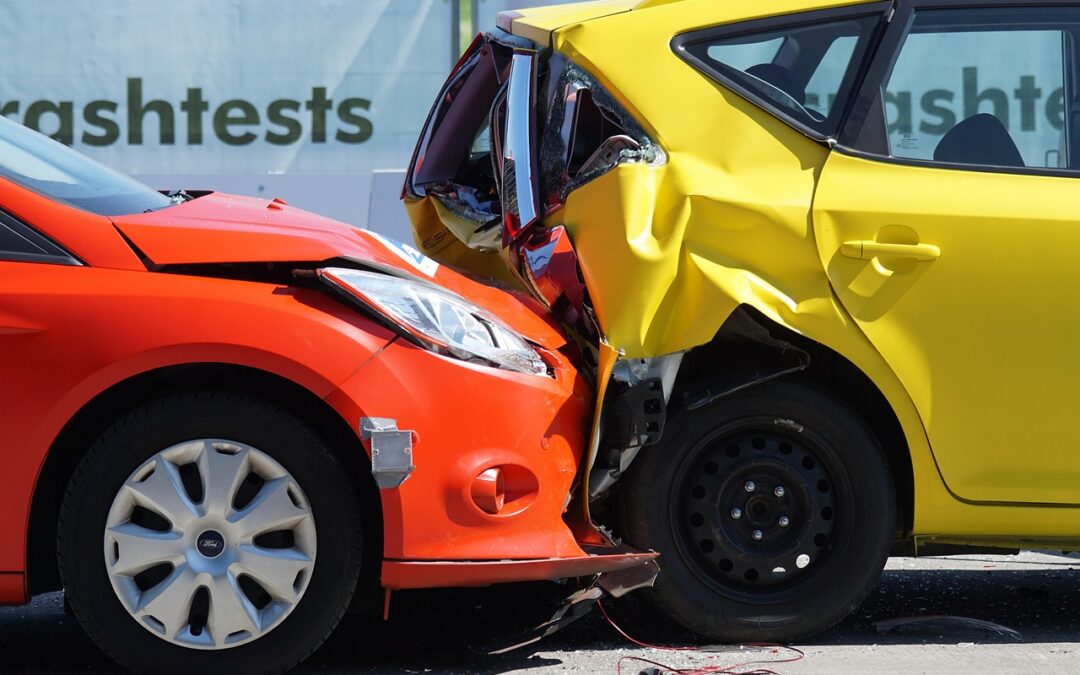
That minor fender bender from last month might not seem urgent, but what happens if you don’t fix collision damage could shock you. Every year, thousands of Arizona drivers postpone repairs thinking they’ll save money, only to face safety hazards, structural failures, and repair bills that triple within months.
Ignoring collision damage leads to rust formation, compromised structural integrity, failed safety systems, and severe depreciation. Even cosmetic damage can escalate into mechanical problems costing $5,000+ when left untreated for 6-12 months.
Can I Drive With Collision Damage?
Yes, you can technically drive with minor collision damage, but the risks multiply every mile. What starts as a small dent can quickly become a safety hazard that puts you and your passengers at risk.
Arizona law requires vehicles to be roadworthy, meaning all lights, signals, and safety features must function properly. A cracked headlight or dangling bumper could earn you a ticket ranging from $150 to $500. More importantly, driving with unrepaired damage increases your liability if another accident occurs.
Insurance companies may deny claims or reduce payouts if they discover pre-existing damage contributed to a subsequent accident. One driver in Phoenix learned this the hard way when their insurer refused to cover $12,000 in damages because they’d been driving with a damaged bumper for three months.
Do I Have to Repair Collision Damage?
While Arizona doesn’t mandate collision repairs for private vehicles, several situations make repairs essentially mandatory. If you’re leasing, your contract likely requires maintaining the vehicle in good condition or facing penalties up to $3,000 at lease end.
Financed vehicles present similar obligations. Your lender technically owns the car until you pay it off, and most loan agreements require comprehensive insurance coverage plus timely repairs. Failure to maintain the vehicle could trigger loan acceleration, forcing immediate full payment.
Even if you own your car outright, certain damage must be fixed to pass emissions testing or vehicle inspections required for registration renewal. A damaged exhaust system or compromised emissions components will fail you every time.
The Cascade Effect: How Minor Damage Becomes Major Problems
Rust and Corrosion Timeline
Paint serves as your car’s armor against the elements. Once that protective barrier breaks, oxidation begins immediately. In Arizona’s monsoon season, exposed metal can show visible rust in just 2-3 weeks.
Within 90 days, surface rust penetrates deeper into the metal. By six months, structural rust forms that requires cutting out entire sections and welding in new metal. What would have cost $400 to repaint now demands $2,500 in metalwork.
Desert conditions accelerate this process through extreme temperature swings. Metal expands during 115-degree days and contracts at night, creating micro-cracks that trap moisture from morning dew or rare rainfall. Arizona’s intense UV rays break down exposed primer and bare metal faster than anywhere else in the country.
Structural Integrity Breakdown
Modern vehicles use crumple zones designed to absorb impact energy. Once these zones sustain damage, they can’t protect you properly in future collisions. A damaged frame rail that looks like a minor bend actually reduces crash protection by up to 70%.
Frame damage affects everything from door alignment to suspension geometry. Misaligned wheels cause uneven tire wear costing $800 in premature replacements. Stressed suspension components fail prematurely, adding another $1,500 to repair costs.
The National Highway Traffic Safety Administration reports that vehicles with unrepaired structural damage are 2.5 times more likely to experience catastrophic failure in subsequent accidents. Their crash test data shows compromised frames transfer 40% more force to occupants.
Safety System Failures You Can’t See
Today’s vehicles contain dozens of sensors controlling everything from airbags to automatic emergency braking. A minor front-end collision often damages radar sensors behind bumpers, disabling adaptive cruise control and collision warning systems.
Airbag sensors require precise calibration to deploy correctly. Impact damage throws off these calculations, potentially causing delayed deployment or complete failure. Replacing a single airbag after improper deployment costs $1,000-$1,500 per bag.
Side impacts frequently damage door-mounted airbags and seatbelt pretensioners. These safety systems won’t show warning lights until they fail to deploy when needed. Even slight frame bending can misalign critical safety components beyond manufacturer tolerances.
Hidden Mechanical Consequences
Cooling System Damage
Front-end collisions often crack radiators or bend cooling fans slightly out of position. Your temperature gauge might read normal for weeks until summer heat pushes the compromised system past its limits. Engine overheating causes head gasket failure ($2,000), warped cylinder heads ($3,500), or complete engine replacement ($5,000-$8,000).
Electrical System Disruption
Modern cars contain over 30 computer modules connected by miles of wiring. Impact damage can create intermittent electrical faults that drain batteries, cause random warning lights, or disable critical systems without warning. Diagnosing electrical gremlins costs $150-$300 per hour in labor alone.
Water intrusion through damaged seals accelerates electrical failure. One Tucson driver ignored a cracked taillight housing for eight months, allowing monsoon rains to short-circuit their $1,200 body control module.
Financial Impact: The True Cost of Waiting
Insurance claims data reveals repair costs increase an average of 23% for every month collision damage goes unaddressed. Here’s what delaying repairs actually costs:
Month 1: Original estimate $1,500
Month 3: Additional rust repair needed, now $2,100
Month 6: Structural work required, total $3,400
Month 12: Multiple system failures, final cost $5,200+
Depreciation hits even harder. Kelley Blue Book data shows vehicles with visible unrepaired damage lose 15-25% more value than those properly maintained. On a $30,000 vehicle, that’s $4,500-$7,500 in lost equity.
Trade-in values plummet further. Dealers automatically deduct repair costs plus 20-30% markup from their offers. Getting a professional repair estimate early helps you understand true costs before they spiral.
Legal and Insurance Ramifications
Driving with unrepaired damage creates massive liability exposure. If your damaged vehicle causes an accident, you face personal injury lawsuits beyond insurance coverage limits. Arizona’s comparative negligence laws mean your unrepaired damage could shift fault percentages against you.
Insurance companies maintain databases of claim history including unrepaired damage. Future insurers will either deny coverage or charge high-risk premiums 40-60% above standard rates. Some carriers specifically exclude pre-existing damage from coverage.
Commercial drivers face additional scrutiny. DOT inspections result in immediate out-of-service orders for frame damage, broken lights, or loose body panels. Fines start at $500 and escalate to license suspension for repeat violations.
Frequently Asked Questions
How long can I wait before fixing collision damage?
Ideally, repairs should happen within 30 days to prevent rust formation and cascading damage. Waiting beyond 60 days significantly increases repair complexity and cost. Any delay past 90 days risks permanent structural degradation requiring extensive reconstruction.
Will my insurance cover damage that gets worse over time?
Insurance only covers damage directly related to the original incident. Rust, water damage, or mechanical failures resulting from delayed repairs are considered negligence and won’t be covered. Document all damage immediately with photos and get repairs done promptly.
Can I just fix the mechanical issues and ignore cosmetic damage?
While mechanical repairs take priority for safety, cosmetic damage often indicates hidden problems. Dented panels may conceal frame damage, and paint chips lead to rust that eventually causes mechanical failure. Professional inspection reveals whether cosmetic damage is truly superficial.
What if I can’t afford repairs right now?
Many shops offer payment plans or work with third-party financing. Temporary fixes like rust inhibitor spray ($20) or protective tape ($10) can slow deterioration for a few weeks. However, these aren’t permanent solutions and costs compound quickly when repairs are delayed.
When Minor Damage Requires Immediate Attention
Certain types of damage demand immediate repair regardless of appearance. Cracked windshields spread unpredictably and can shatter without warning. In Arizona heat, small cracks expand inches per day.
Damaged headlights or taillights make your vehicle illegal to drive at night. Beyond the safety risk, you’re guaranteed a ticket if pulled over. Professional collision repair shops can often complete these critical repairs same-day.
Leaking fluids indicate immediate danger. Brake fluid, coolant, or oil leaks worsen rapidly and cause catastrophic failure. A $200 line replacement becomes a $3,000 transmission rebuild if hydraulic fluid runs dry.
The Smart Approach to Collision Repair
Document everything immediately after any collision. Take photos from multiple angles, noting the date and time. This evidence protects you from insurance disputes and helps shops provide accurate estimates.
Get multiple estimates but focus on quality over price. The cheapest quote often means corners cut that create problems later. Shops certified by major manufacturers or insurance companies follow strict repair protocols ensuring safety.
Consider the total cost of ownership, not just repair bills. Proper repairs maintain your vehicle’s value, ensure safety system functionality, and prevent cascading failures that destroy budgets.
Understanding what happens if you don’t fix collision damage helps you make informed decisions about your vehicle’s future. Those seemingly minor dents and scratches are ticking time bombs for your safety and wallet. Don’t let small problems become major catastrophes. Contact Cutting Edge Collision today for a free estimate and protect your investment before hidden damage takes its toll.